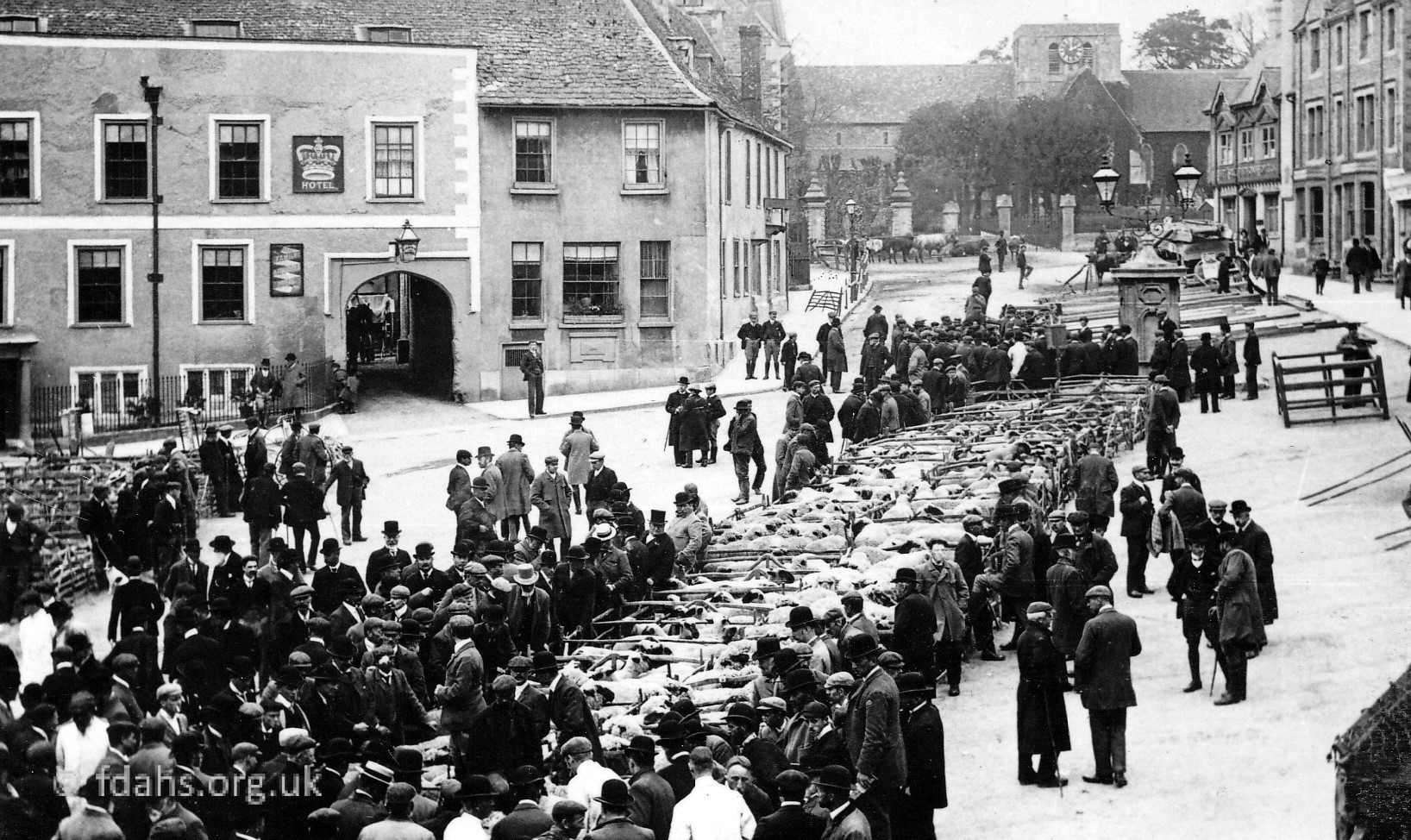


Bourton is a small village close to the boundary with Wiltshire. The name evolved from Burghton in the 14th century. Burh / Burgh: derived from the Old English word for a fortified place, fortress, or camp. Tūn: an Old English suffix meaning an enclosure, farmstead, or village. The 2011 Census recorded the parish population as 326 and 363 according to the 2021 Census.
Bourton became a parish in its own right in 1867, previously it had been part of Shrivenham parish. Bourton House was built in 1861 by the Tucker family and is now the Pinewood Private School. Thomas Tucker wanted a church built in Bourton so he gave the land for one to be erected. Another family member, Henry, belonged to the Baptist Church and built the Bourton Chapel in 1851, now the Village Hall. In the Shrivenham register the vicar made the following comment – ‘1788 died Thomas Smith, yeoman, of Bourton, aged 100 yrs and 7 weeks, he was the last of a very ancient and respectable family. He lived the last 40 years on sugared toast and ale which was his constant breakfast. He was a short thick set man and bore no great marks of age, scarce a wrinkle in his face even to the time of his death. He never knew any illness and has assured me he never took any sort of physick but twice in his life’.
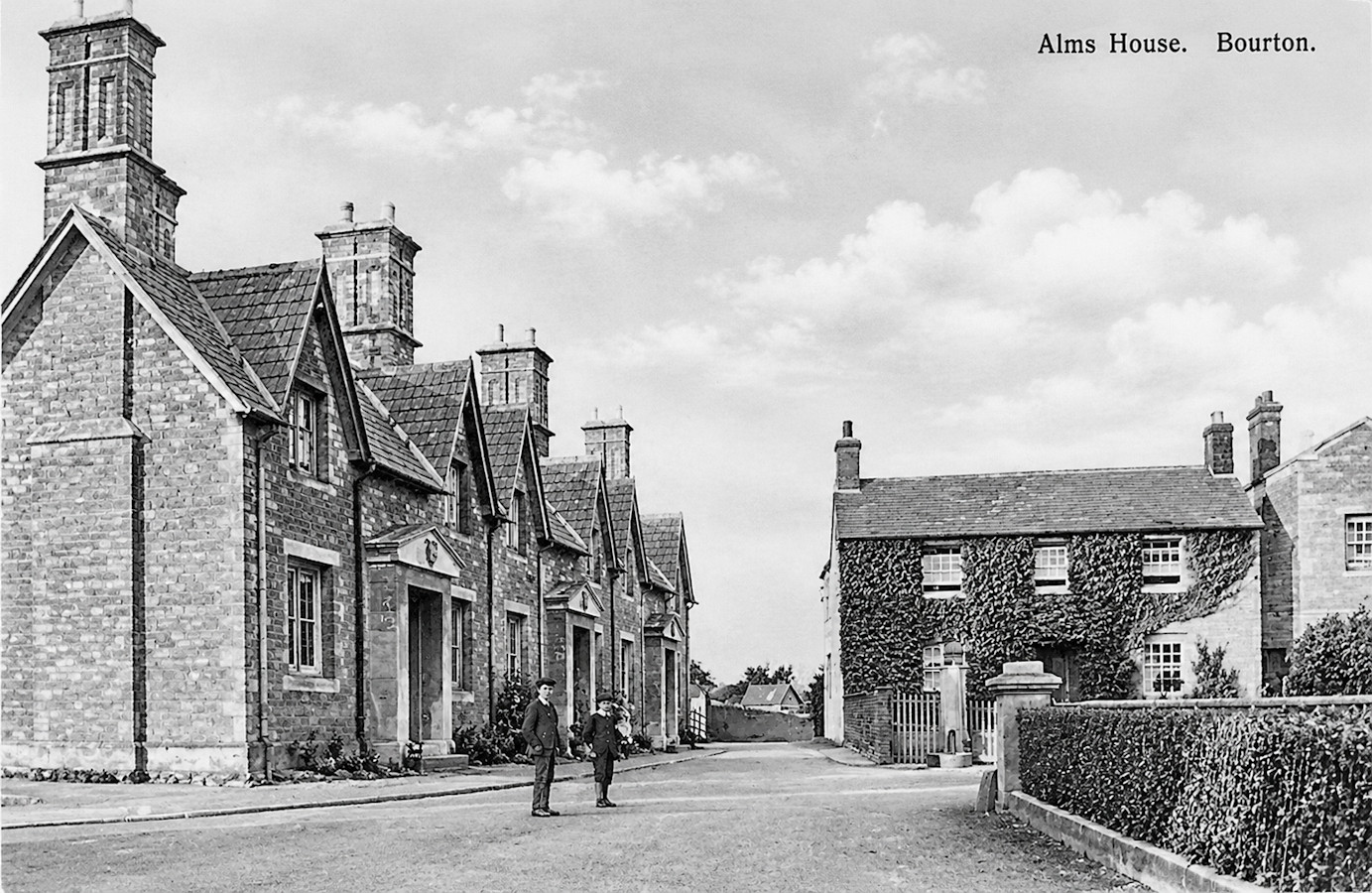
1900’s Alms Houses, Bourton. These were built in 1846 by John Baker and John Tucker of West Ham Abbey, Essex, for the aged and deserving poor. The wall at the rear of each property had a small hole through which the occupants could pass their buckets of night soil to a man whose job was to collect it in a barrow and dispose of it.
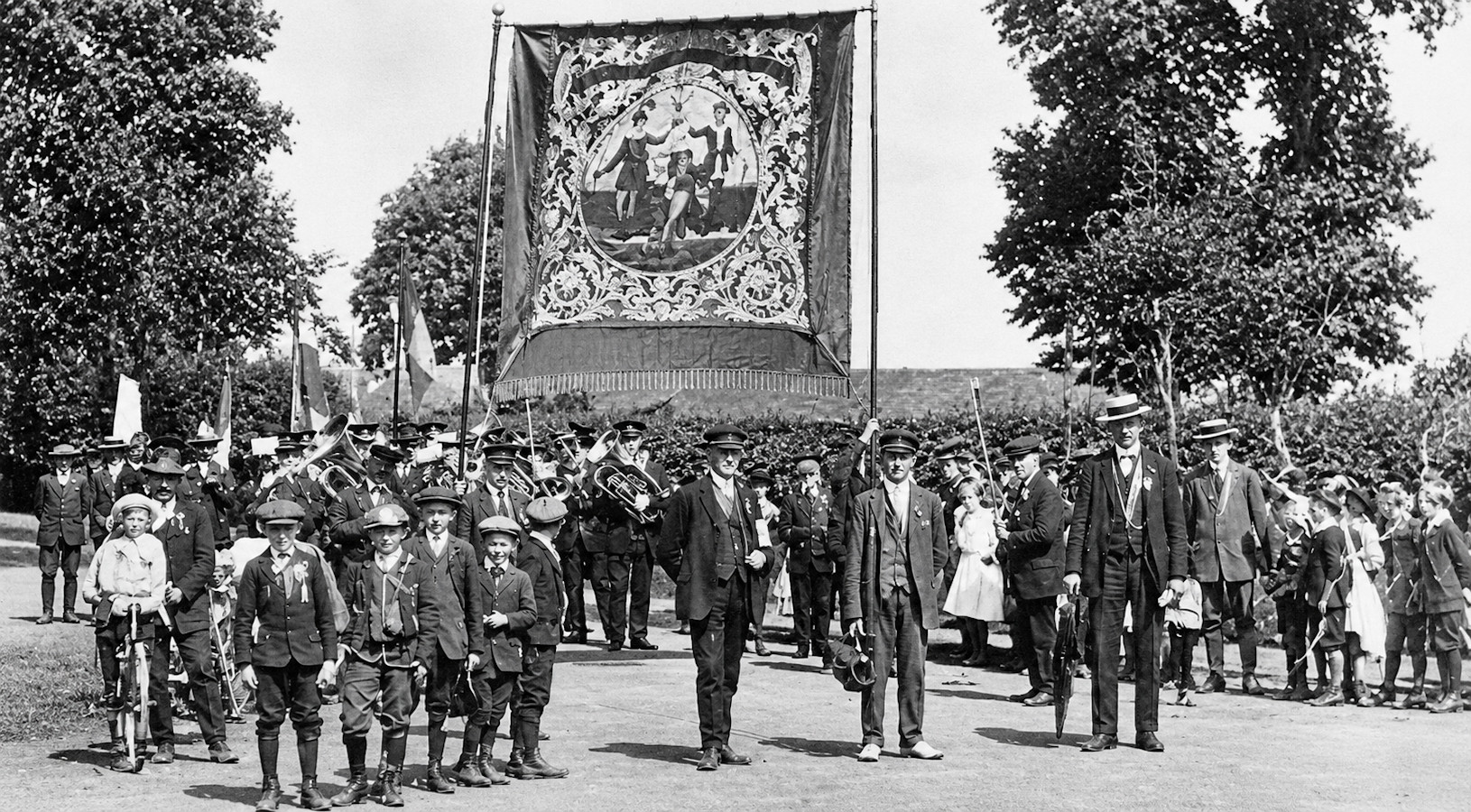 July 1914 Parade of the Ancient Order of Foresters from Bourton to Beckett Fete. The Ancient Order of Foresters was a Friendly Society founded, mainly by craftsmen, to give mutual support in times of sickness and distress and having its roots in the 18th Century. The Order in its present form emerged in August 1834. The name Foresters was derived from the perception that one of the duties of man was ‘to give assistance to our brothers in need as they wander through the Forests of this life.’ They wore a wide, woven sash with embroidered symbols, A.O.F. Unity, Benevolence and Concord.
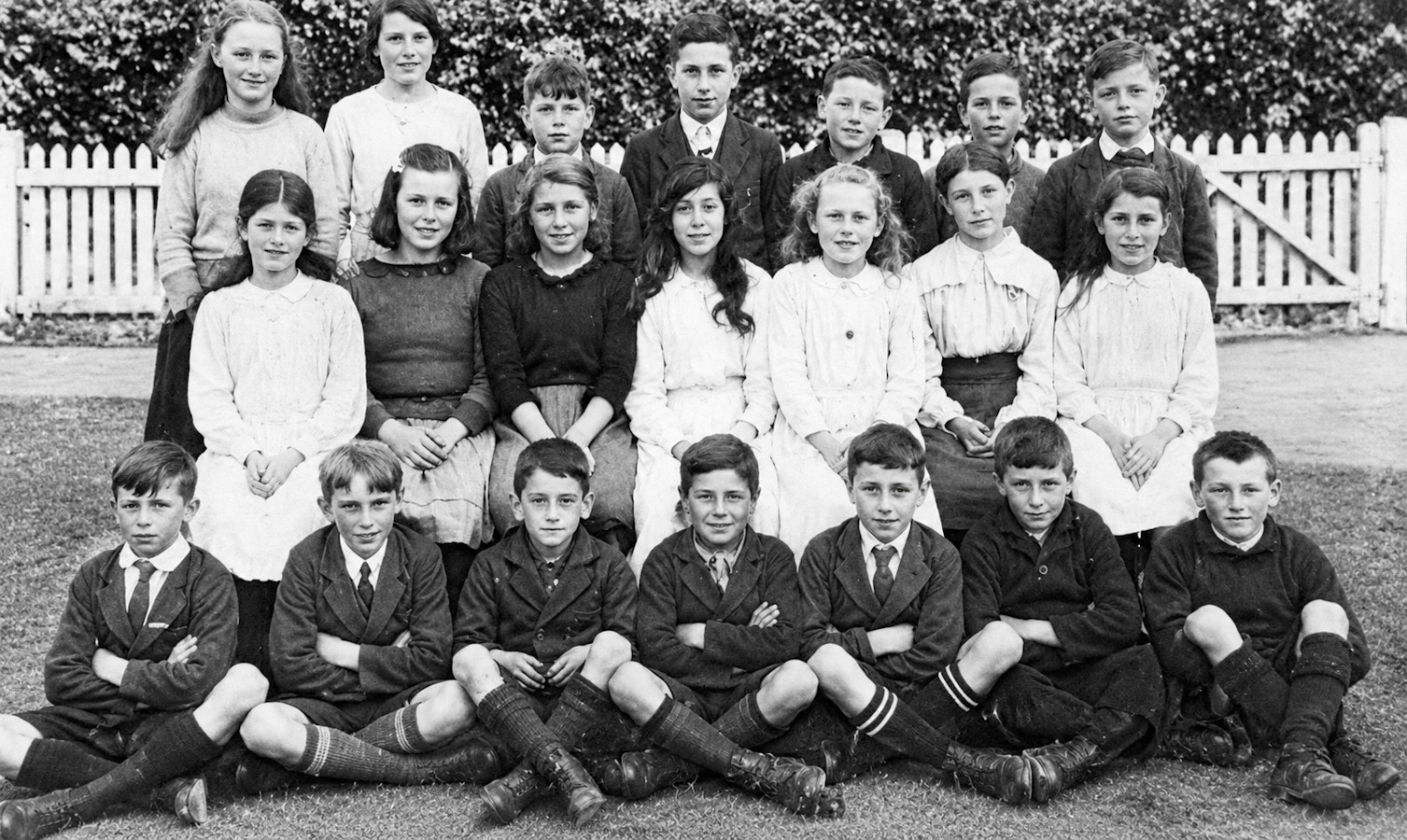
c.1922 Bourton School. Left to right, back row: Violet Alice Cox;?;?; Bert Dixon; Jack Willis; ?; ?. Middle row: Olive Hatherall; ?; Joan Minall; ?; Amy Ellis;- Mildenhall; Mollie Minall. Front row: Jo Dixon; Victor Heath; George Ash; ?; Bill Minall; ?; Dick Willis. The headmistress, not in the photo, was Miss Shepherd.
The first Bourton school was built in 1847 by John Baker and John Tucker in the High Street. The bell for the children to attend the school was rung from the headmaster’s room which was below the bell tower. The children had to wash their chalk slates in a water trough behind the building. After closure it was used by children from Shrivenham, who were brought by horse and cart, for woodwork lessons taken by Mr ‘Bunny’ Austin. He later taught woodwork at the Southampton Street School in Faringdon. It was also used by school girls from Bourton and Longcot for their cookery lessons. A new school was built in the 1920’s in Steppingstone Lane.
More… Oxfordshire Villages website: http://www.oxfordshirevillages.co.uk/valevillages/bourton.html
References:
Photo and text scanned directly from The Changing Faces of Faringdon and Surrounding Villages – Book 2 p73-74 by Rosemary Church, Jim Brown, Millie Bryan and Beryl Newman. Robert Boyd Publications 2001.